
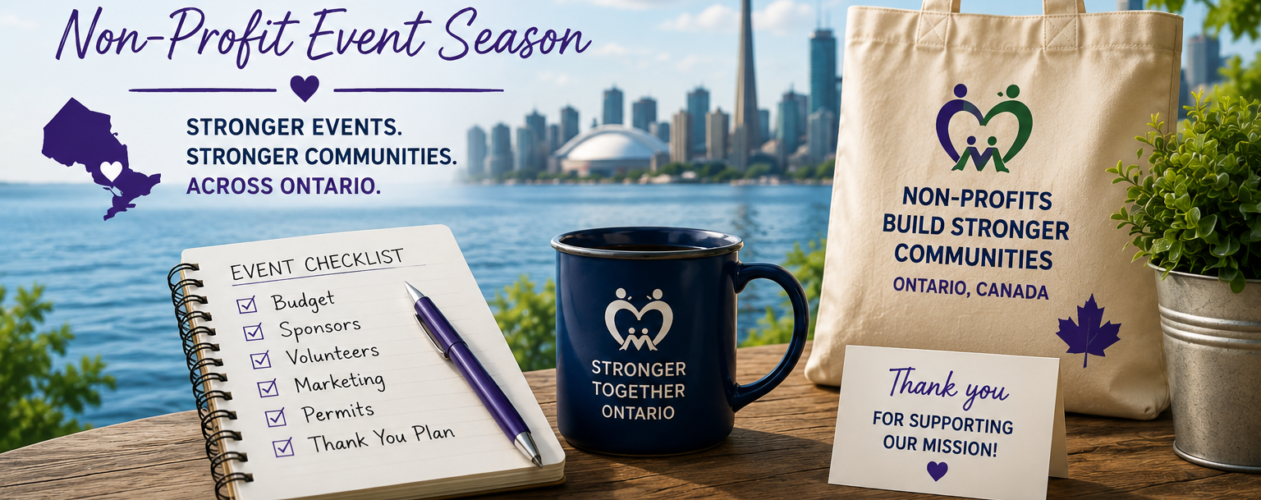
As spring and summer event season ramps up, many non-profit organizations are preparing for fundraising galas, community festivals, golf tournaments, auctions, and volunteer-driven events. While these events can generate critical support and awareness, proper planning behind the scenes is what often determines whether an event becomes a success or a source of unnecessary stress.
Here are several key areas every non-profit organization should focus on before event season gets into full swing.
Start Budgeting Early
One of the most common challenges for non-profit events is underestimating costs. Venue rentals, permits, insurance, catering, marketing materials, payment processing fees, entertainment, and volunteer supplies can add up quickly.
Creating a detailed event budget early allows organizations to:
- Set realistic fundraising goals
- Identify sponsorship opportunities
- Avoid last-minute expenses
- Monitor profitability throughout planning
Tracking expenses in real time also helps improve reporting and transparency for boards, donors, and grant applications.
Understand HST and Tax Considerations
Many non-profit groups are surprised to learn that certain fundraising activities may have tax implications. Depending on the type of event and how goods or services are sold, HST rules may apply differently.
Areas that commonly create confusion include:
- Ticketed fundraising dinners
- Silent auctions
- Merchandise sales
- Vendor participation fees
- Sponsorship revenue
Keeping organized financial records throughout event season makes year-end reporting significantly easier and helps reduce stress during tax filing periods.
Build a Sponsorship Strategy
Corporate sponsorships can dramatically improve event profitability. Businesses often look for opportunities to support community organizations, especially when they receive visibility in return.
Create sponsorship packages with multiple levels that clearly outline:
- Branding opportunities
- Social media mentions
- Website recognition
- Event signage
- Complimentary tickets or booths
Reaching out early gives businesses more time to include sponsorships in their marketing budgets.
Use Digital Tools to Stay Organized
Managing volunteers, registrations, payments, and communications manually can quickly become overwhelming during busy event months.
Digital tools can help streamline:
- Online ticket sales
- Volunteer scheduling
- Donation tracking
- Email reminders
- Expense management
Cloud-based bookkeeping and reporting systems also make it easier for treasurers and board members to stay informed throughout the event season.
Don’t Forget Post-Event Follow-Up
The work does not end when the event is over. Strong post-event communication helps strengthen relationships with donors, sponsors, volunteers, and attendees.
After your event:
- Send thank-you emails promptly
- Share event photos and highlights
- Report fundraising totals when appropriate
- Review what worked well and what could improve
- Reconcile all event finances quickly
Post-event financial reviews can provide valuable insights that improve future fundraising efforts.
Final Thoughts
Heavy event season can be exciting and rewarding for non-profit organizations, but preparation is essential. Staying organized financially, planning ahead, and using the right systems can help ensure your events are both impactful and financially successful.
Whether your organization is planning one fundraiser or an entire season of community events, proactive bookkeeping and financial management can make a major difference behind the scenes.