Community organizations and non-profits play an important role in bringing people together through local events, fundraisers, and outreach programs. As event season becomes busier, strong planning strategies can help organizations maximize attendance, fundraising success, and volunteer engagement.
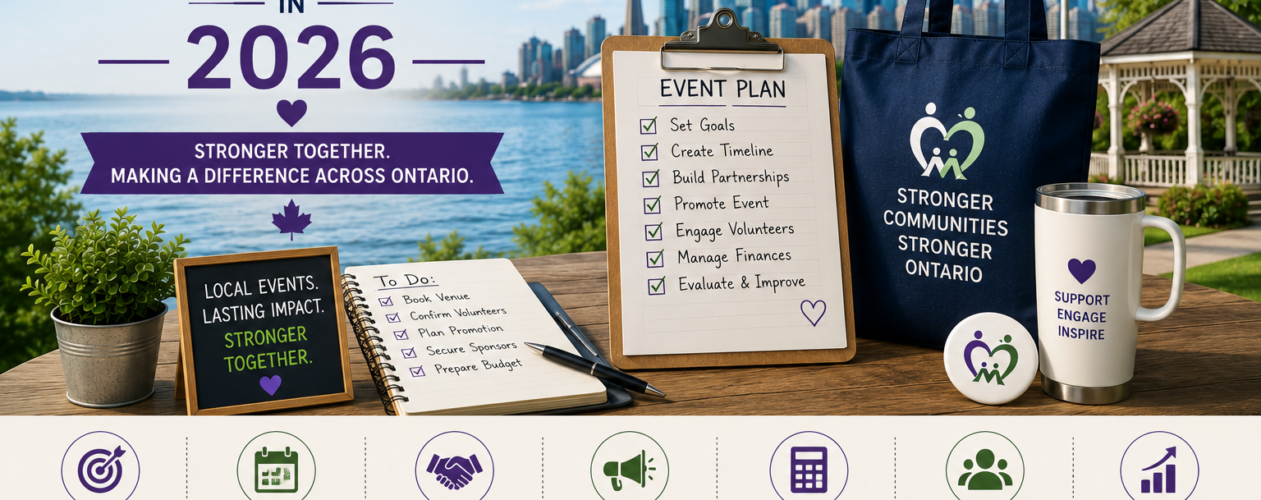
Here are several practical event planning tips to help non-profit groups prepare for a successful 2026 event season.
Set Clear Goals Before You Start Planning
Before booking venues or ordering supplies, determine the primary purpose of the event.
Ask questions such as:
- Is the event focused on fundraising?
- Community awareness?
- Volunteer recruitment?
- Donor appreciation?
- Member engagement?
Clear goals help guide budgeting, marketing, sponsorship efforts, and event structure.
Create a Realistic Timeline
Many event planning challenges happen because organizations underestimate how much time is required for preparation.
Building a timeline early helps ensure enough time for:
- Sponsorship outreach
- Permit applications
- Volunteer coordination
- Marketing campaigns
- Ticket sales
- Vendor bookings
Starting early also gives organizations more flexibility if unexpected issues arise.
Focus on Community Partnerships
Partnering with local businesses and community organizations can strengthen both attendance and fundraising opportunities.
Partnerships may include:
- Event sponsorships
- Prize donations
- Shared marketing efforts
- Volunteer support
- Venue partnerships
Community collaboration often leads to stronger long-term relationships and expanded visibility for your organization.
Prioritize Online Promotion
Social media and email marketing continue to be essential tools for promoting non-profit events.
Effective promotion strategies include:
- Countdown posts leading up to the event
- Sponsor spotlights
- Volunteer highlights
- Early-bird ticket promotions
- Event reminders
- Post-event photo galleries
Consistent online engagement can significantly improve attendance and donor participation.
Prepare for Financial Reporting Early
Strong recordkeeping during event season can save organizations countless hours later.
Maintain organized records for:
- Sponsorship revenue
- Ticket sales
- Donations
- Vendor invoices
- Volunteer reimbursements
- Payment processing reports
Accurate bookkeeping also helps organizations demonstrate accountability to boards, donors, grant providers, and members.
Evaluate Each Event After It Ends
Post-event reviews are one of the most valuable tools for long-term improvement.
After each event, review:
- Attendance numbers
- Fundraising performance
- Marketing effectiveness
- Volunteer feedback
- Budget accuracy
- Areas for improvement
Documenting lessons learned can help future event planning become more efficient and successful each year.
Final Thoughts
Event season can be one of the most rewarding times for non-profit organizations and community groups. With careful planning, organized financial systems, and strong community engagement, organizations can create events that not only raise funds but also build lasting connections within the community.
Preparation today can help ensure a smoother, more successful event season throughout 2026.